

Technical SEO for a thousand-page Istanbul guide
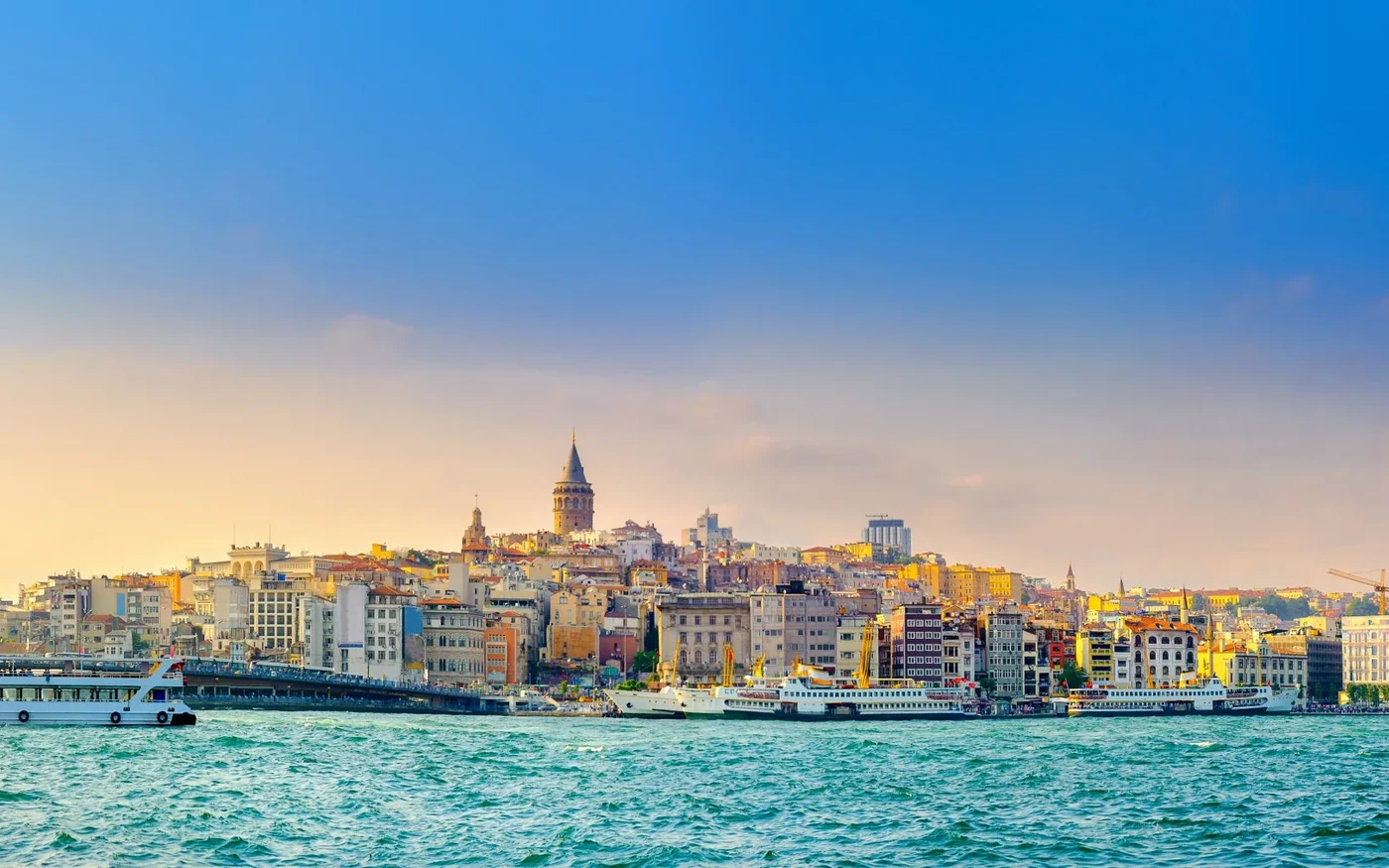
Istanbul Tourist Information is a sprawling travel-guide platform — landmarks, tickets, transport, nightlife, kids, even medical tourism and business travel — more than a thousand URLs deep, all built to answer one question: how do I plan a trip to Istanbul. Logic Grid Studio ran the SEO across the whole library: the technical foundations, the on-page optimization and the internal architecture that turn a thousand separate pages into a site search engines can crawl, understand and rank.
The situation
Istanbul Tourist Information is one of the largest single-city travel guides on the web — a WordPress platform more than a thousand URLs deep, with the tagline plan, see and experience and an open invitation to ask anything. It covers the obvious — the eight must-see landmarks, the most popular tickets, public transport, the things you can only do in Istanbul — and then keeps going, into Istanbul with kids, eating and shopping, nightlife, what is on this week, and even specialist corners like medical tourism, wedding planning, real estate and business travel. The content was already there and already deep. The problem at that size is not writing more pages; it is being found. A guide library this large is only as valuable as search engines and travellers can make it: if pages compete with each other, if crawl budget is wasted on the wrong URLs, if the internal links and on-page signals do not tell a search engine what each page is for, then a thousand good guides quietly underperform. The platform needed its discoverability brought up to the scale of its content.
Why they came to us
SEO at a thousand-plus URLs is not the same job as SEO for a brochure site, and it is not three separate jobs either. The technical layer — crawl budget, indexation, site speed, clean URL and canonical structure — is a front-end and platform problem. The on-page layer — titles, headings, structured signals, the way each guide is written to match how people actually search for Istanbul — is a content problem. And the architecture layer — how a thousand pages link to each other so authority flows to the right guides and nothing is orphaned — is an information-design problem. On a library this size those three move together: change the internal linking and you change what gets crawled; fix the templates and you change the on-page signals on hundreds of pages at once. Istanbul Tourist Information needed a partner who could hold all three at the scale of the whole platform, rather than a technical auditor, a copywriter and a link-builder each optimizing their own slice of a site none of them saw whole.
Constraints
This was an optimization on a live, large WordPress platform — everything had to be improved in place, with nothing thrown away and the existing content and URLs preserved. The work had to hold across more than a thousand pages at once, which rules out hand-tuning each one and demands template- and pattern-level fixes that lift the whole library without regressing any corner of it. Crawl budget was a real constraint, not a theoretical one: at this size, search engines will not crawl everything endlessly, so the site had to guide them to what matters and stop wasting them on what does not. The internal architecture had to make authority flow sensibly across a catalogue that spans tourist landmarks all the way to medical tourism and real estate, without those very different sections diluting each other. And because it is a travel platform serving visitors planning a trip to a single city, the on-page work had to match real Istanbul-travel search intent — the actual questions people ask before they come — rather than generic keyword stuffing.
What we owned
Logic Grid Studio owned the SEO of the platform end to end, across the whole 1,000+ URL library. On the technical side we took ownership of crawlability and indexation — making sure search engines spend their crawl budget on the pages that matter, that canonical and URL structure is clean, and that the technical foundations and page-experience signals hold across the site rather than on a lucky few pages. On the on-page side we optimized the signals that tell a search engine what each guide is and who it is for — titles, headings and structure tuned to how travellers actually search for Istanbul — applied at template and pattern level so the fixes reach the whole library, not a handful of flagship pages. And we owned the information architecture: the internal linking that turns a thousand standalone guides into a connected site, so authority flows from the broad hubs to the specific guides, related pages reinforce each other, and nothing valuable sits orphaned and uncrawled. All of it was done on the existing WordPress platform, in place, preserving the content and the URLs that were already working.
Our approach
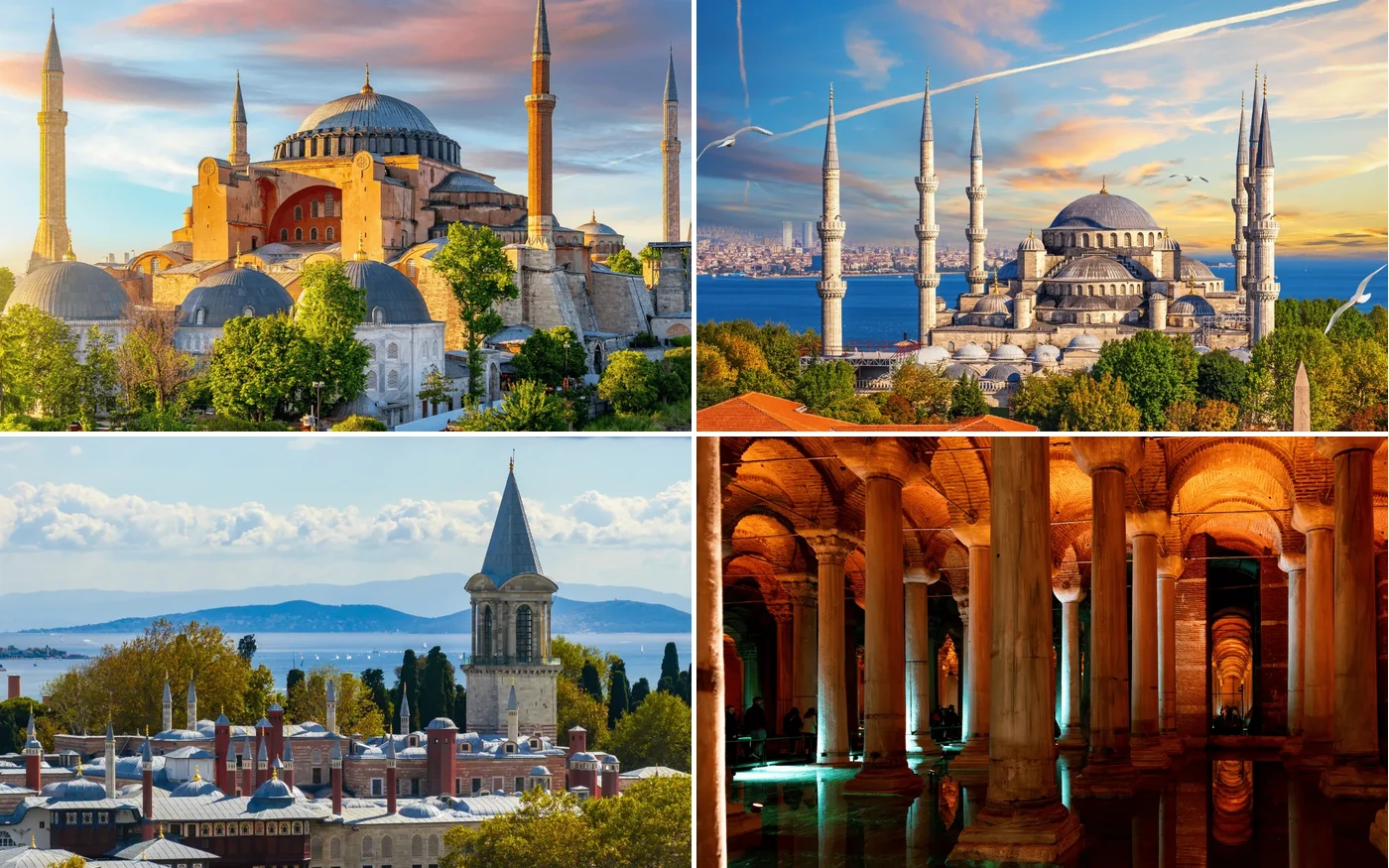
We treated the platform as one system rather than a thousand pages. The first move was technical and structural: map how the site is actually crawled and linked, find where crawl budget leaks and where authority pools or dead-ends, and fix the foundations — indexation, canonicalization, URL and page-experience signals — at the level of templates and patterns so a single change lands correctly across hundreds of pages. With the foundations holding, we worked the architecture: strengthening the internal linking so the big hubs (landmarks, tickets, transport) pass authority down to the specific guides, related guides reinforce one another, and the long tail of specialist pages is connected rather than stranded. On-page, we tuned the signals to match real Istanbul-travel intent — the way someone actually searches before a trip — again at pattern level so the whole library benefits, not just the pages anyone happened to look at. Throughout, the rule was to optimize in place: this is a proven platform with a thousand pages of real content and real URLs, so the job was to make what existed findable, not to rebuild it and risk everything that already ranked.
The outcome
Istanbul Tourist Information went from a deep library that search engines had to work to understand into a platform built to be crawled, understood and ranked at its full size. The technical foundations now hold across the whole site, so crawl budget is spent on the pages that matter instead of leaking into the ones that do not; the internal architecture connects a thousand guides into one site where authority flows from the broad hubs to the specific answers and nothing valuable is left orphaned; and the on-page signals, tuned at template level, line each guide up with the way travellers actually search for Istanbul. The content the client had invested in — from the eight must-see landmarks to the specialist corners of medical tourism and business travel — is now positioned to do the job it was written for: to be found by the people planning the exact trip it describes. The whole thing was done on the existing WordPress platform, in place, with nothing thrown away.
Frequently asked questions
What did Logic Grid Studio do for Istanbul Tourist Information?
Logic Grid Studio ran the SEO across Istanbul Tourist Information — a WordPress travel guide more than 1,000 URLs deep — covering the whole library rather than a handful of pages. The work spanned the technical foundations, the on-page optimization and the internal architecture that turn a thousand separate pages into a site search engines can crawl, understand and rank. It was an optimization on a live platform: everything was improved in place, with the existing content and URLs preserved and nothing thrown away.
What exactly did Logic Grid Studio own and deliver on this engagement?
Logic Grid Studio owned the platform's SEO end to end across the full 1,000+ URL library. On the technical side that meant crawlability and indexation — keeping crawl budget on the pages that matter, with clean canonical and URL structure; on the on-page side, tuning titles, headings and structure at template and pattern level so fixes reached the whole library rather than a few flagship pages; and on architecture, the internal linking that connects a thousand standalone guides so authority flows from the broad hubs to the specific guides and nothing valuable is left orphaned.
What technology and services were involved?
The engagement was technical and on-page SEO at scale, delivered on the client's existing WordPress platform. It combined three layers held as one system: the technical foundations (crawl budget, indexation, canonical and URL structure, page-experience signals), the on-page signals (titles, headings and structure matched to real Istanbul-travel search intent), and the information architecture (internal linking across the whole site). Fixes were applied at template and pattern level so a single change lands correctly across hundreds of pages.
Why did Istanbul Tourist Information work with Logic Grid Studio, and what changed?
At a thousand-plus URLs, technical, on-page and architecture SEO move together, so the platform needed one partner who could hold all three at the scale of the whole site rather than separate specialists each optimizing their own slice. The constraint was to improve everything in place on the live WordPress platform, preserving existing content and URLs and lifting the whole library at template level without regressing any corner of it. As a result, the site went from a deep library search engines had to work to understand into a platform built to be crawled, understood and ranked at its full size — with the content positioned to be found by the people planning the exact trip it describes.
Related services
Let's scope your next system together.